Beautiful Plants For Your Interior
Beautiful Plants For Your Interior

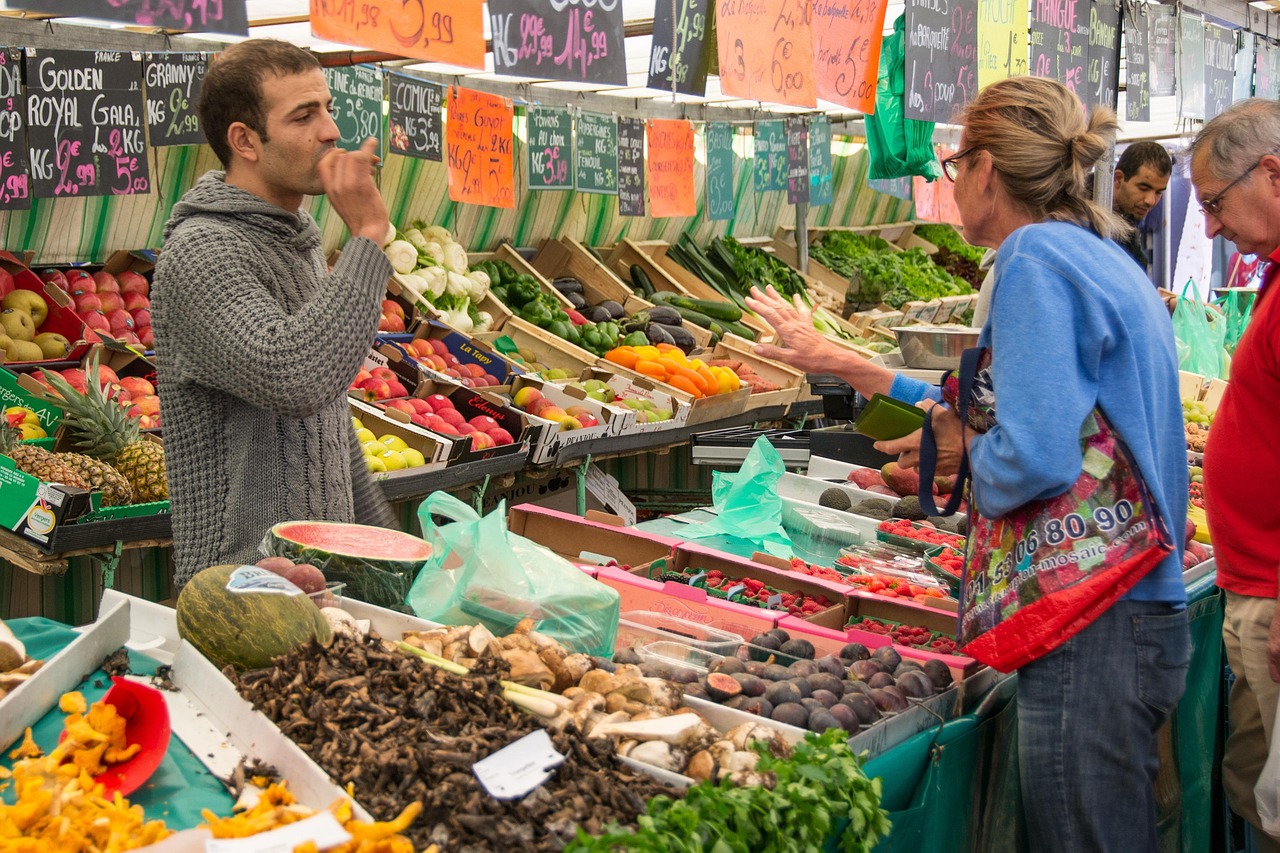
Markets aren’t just giant companies trading stocks or big corporations competing to sell you stuff. They’re everywhere, and chances are, you’ve already been part of several without even realizing it.
Take your school cafeteria. When there’s more demand for certain snacks, they sell out faster. If the school notices that chips sell out every Monday, they might stock more the next week. Or maybe they raise the price a bit. That’s a basic example of supply and demand at work. And just like that, your lunch routine is part of a local market.
Now think about your neighborhood. Have you ever paid someone to mow your lawn, walk your dog, or tutor you for a test? That’s a market. Or maybe you’re the one getting paid. Even babysitting or helping someone move counts. When services are exchanged for money, you’re in a market, whether it’s big or small.
Local sports leagues, community centers, and even garage sales all run on the same principles. People offer goods or services. Others decide if those things are worth the cost. If there’s a lot of interest in something and not enough of it to go around, prices go up. If no one bites, sellers either lower prices or rethink what they’re offering.
Markets don’t need to be formal. They just need to connect buyers and sellers in some way. And the more aware you are of the local ones around you, the more you start to understand how money moves in your own community.
Even your friend group can create mini markets. Ever traded clothes, video games, or tech gear? Someone has something someone else wants. That exchange, whether it involves money or not, is still a transaction. And how you decide what’s fair, whether it’s based on brand, condition, or popularity, is a reflection of value, which is central to how all markets work.
Another example is school fundraisers or club events. If you’re selling cookies, t-shirts, or tickets to a talent show, you’re operating inside a market. You’re figuring out what people want, how much they’re willing to pay, and how to promote what you’re offering. That’s hands-on economics, and it’s happening right in your day-to-day life.
Understanding that you’re already part of these local markets helps you become a smarter buyer and a sharper seller. You learn to notice patterns, what sells fast, what flops, and what people come back for. That kind of awareness doesn’t just help you with money now, it gives you a head start if you ever want to launch your own business.
Markets aren’t just something adults deal with or something you study in school. They’re all around you. And when you start seeing them in your everyday routines, you’re already thinking like someone who gets how money really works.
More soon,
Gavin @ Alpha Kids Finance