Beautiful Plants For Your Interior
Beautiful Plants For Your Interior

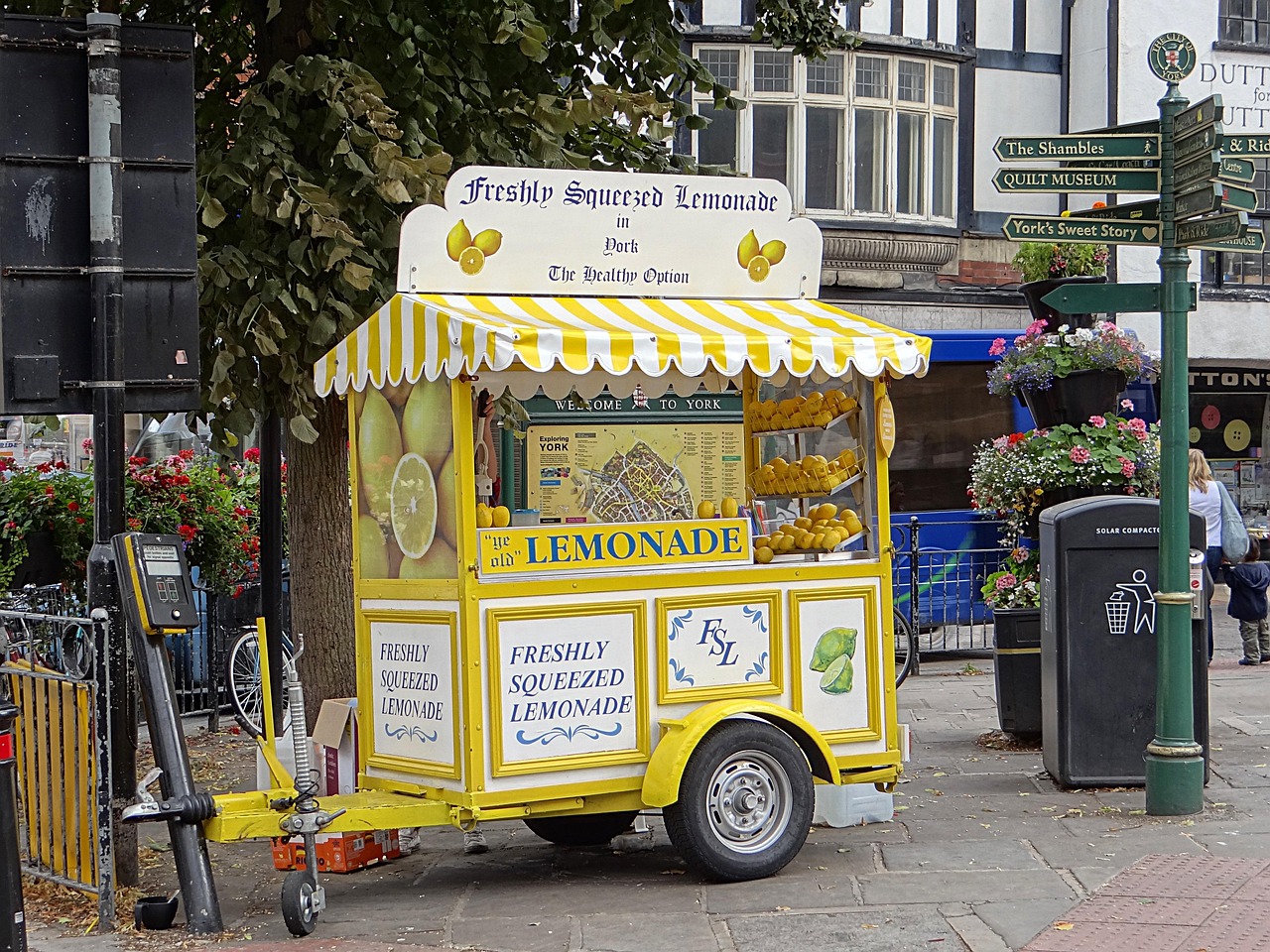
If you’ve ever helped run a booth at a school carnival, local fair, or sports fundraiser, then you already know, there’s a lot more going on than just standing behind a table and collecting cash.
From the outside, selling might seem simple. Set up your stuff, wait for people to show up, make a few bucks, call it a day. But once you’re on the other side of the table, things change fast. You start to realize how much work goes into figuring out what people want, how much they’ll pay, and how to convince them your booth is the one they should stop at.
One of the biggest mindset shifts comes from seeing the difference between being a buyer and being a seller. As a buyer, you just walk up, ask a few questions, hand over some money, and move on. It’s easy to forget that the person selling had to figure out the product, the price, and how to pitch it, all before you even showed up.
Let’s say you’re selling handmade bracelets. You’ve got to decide how many to make, what colors people will like, and whether to offer deals for buying more than one. You also have to guess what your competition is going to do. If the table next to you is also selling jewelry but has lower prices or flashier displays, how do you respond? That’s where strategy kicks in.
Then comes pricing. You might think $5 is fair, but if people keep walking by without buying, maybe it’s not. Or maybe your product is great, but your pitch needs work. Selling teaches you to listen, adjust, and test ideas fast. You start noticing how small things, like saying hi first or offering a quick demo, can make a huge difference.
You also learn about costs. If your supplies cost $20 and you only bring in $15, you didn’t actually make a profit. Understanding the difference between sales and profit is a key money lesson that clicks fast when you’re the one running the numbers. And suddenly, that $1 you used to spend without thinking becomes a lot more real.
Time matters too. If your booth is only open for two hours, how you use that time matters a lot. Standing around waiting for people won’t get you far. You learn to stay engaged, be ready to talk, and keep things moving. It’s not just about the product. It’s about effort, timing, and reading the crowd.
And let’s not forget the experience of dealing with people. Some will be super friendly, others might ask a million questions, and a few might walk away even after you’ve given your best pitch. Selling builds resilience. You start to understand that a no isn’t personal, it’s part of the game.
All of this adds up to lessons you can’t really get from just being a customer. Running a booth flips your perspective. It makes you think about how money actually flows, what influences decisions, and how businesses, big or small, have to work to earn every sale.
So the next time you get the chance to run a booth, don’t just see it as a school activity or weekend gig. Treat it like a crash course in money, business, and how to think like a producer instead of just a consumer.
Till next time,
Gavin @ Alpha Kids Finance