Beautiful Plants For Your Interior
Beautiful Plants For Your Interior

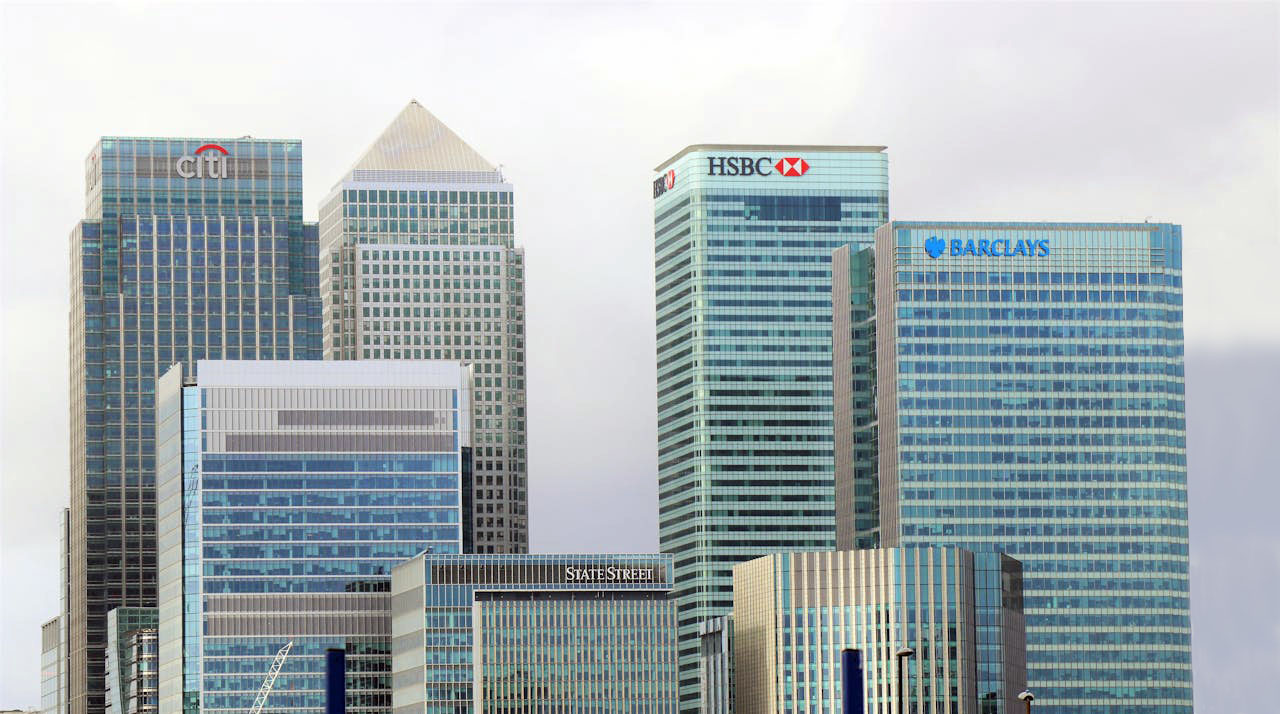
Hey there, fantastic friends of Alpha Kids Finance! Let’s sprinkle a little fun on those tricky money topics. Today, we’re zeroing in on something pretty epic – how banks profit. Yep, you heard that right. How we handle our cash doesn’t just matter in the moment; it’s got some serious ripple effects that stretch way beyond our own wallets.
Imagine you’re depositing your allowance into a bank. The bank doesn’t keep all that cash just sitting around. Instead, they keep a small amount for daily withdrawals and use the rest to make more money.
One way banks make money is by lending your deposits to others who need loans. They charge interest on these loans, which is a bit like a rental fee for borrowing the money. For example, if you borrow $100 with a 5% interest rate, you’ll pay back $105. That extra $5 is profit for the bank.
Interest rates play a crucial role in how much profit banks make. The higher the rate, the more they earn from loans compared to what they pay on savings accounts.
Let’s say you have a savings account earning 1% interest. The bank might lend that same money at 5% interest. They pay you a bit for saving and earn more from lending, making a profit in between.
Your smart money moves, like saving and investing, help banks fund more loans for businesses and individuals. This, in turn, fuels economic growth.
Did you know? When you save money, you’re indirectly helping create jobs and grow businesses. How cool is that?
Take a mini-quiz to test your understanding: Why do banks lend money?
A) To lose money
B) To make a profit
C) Just for fun
Stay curious, keep learning, and let’s make those financial decisions count – for our futures and the economy’s.
Catch you on the flip side,
Gavin at Alpha Kids Finance