Beautiful Plants For Your Interior
Beautiful Plants For Your Interior

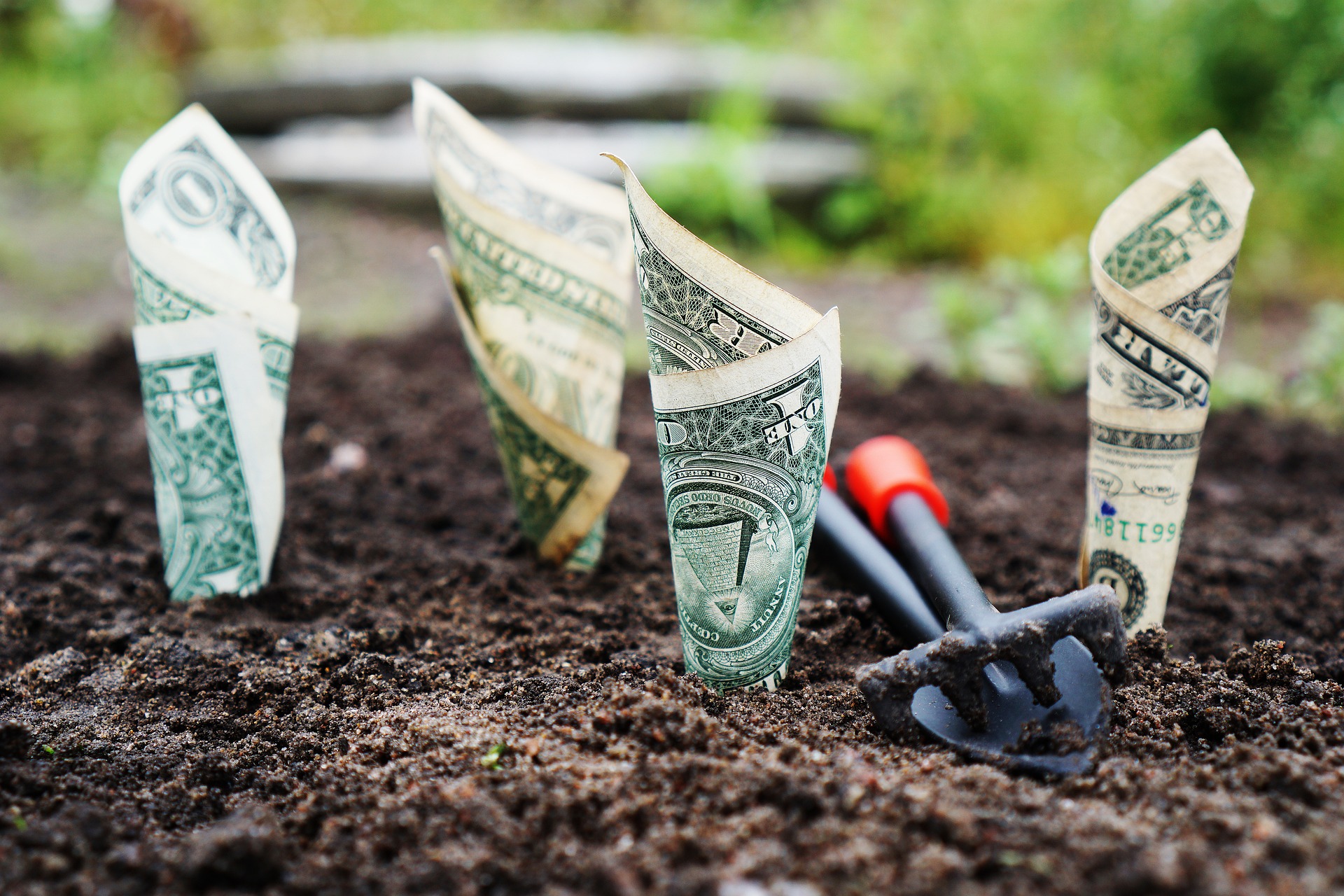
Let’s get real for a sec. Most high schoolers aren’t walking around with a detailed monthly budget in their back pocket. And honestly, that’s okay. But if you’ve got money coming in—whether it’s from a part-time job, birthday cash, or that random twenty you found in your jacket—you need a plan for how to use it.
Budgeting isn’t about being boring or never spending money. It’s about knowing what your money is doing and making sure it’s working for you. And the good news? You don’t need a complicated spreadsheet or an app with a million tabs. You just need a basic plan that makes sense for your life right now.
Here’s a simple approach that works for teens: track what you earn, know what you spend, and divide your money into clear, useful categories.
Start with your income. Let’s say you earn $100 each week babysitting or working at a smoothie shop. That’s your base number. From there, you’re going to split that money into a few buckets. You don’t have to go wild with this—just stick to the essentials.
A popular method for beginners is the 50/30/20 split. That means:
Now, if you’re a teen, your “needs” probably look a little different than an adult’s. You’re not paying rent or buying groceries, but maybe you chip in for your phone bill, pay for gas, or buy your own school supplies. That stuff counts.
So if your weekly income is $100, about $50 could go toward covering your basic needs. The next $30 is your fun money—things like snacks, concerts, new clothes, or app subscriptions. And the final $20 goes straight to savings.
This isn’t just money you forget about. It’s the start of your emergency fund, future car fund, or college cushion. You can even break it down further into short-term and long-term goals if you’re feeling extra organized.
But what if you don’t have any real “needs” yet? Lucky you. That just means you’ve got more room to grow your savings or explore new goals, like investing in a side hustle or starting a business.
If the 50/30/20 rule feels too stiff, here’s an even simpler version to try: the 3-part teen budget.
You decide what “some” means for you. Maybe you spend 60%, save 30%, and share 10%. Or maybe you flip it and save half your income. The percentages aren’t what matters most. What matters is that you’re thinking about your money instead of spending it without a plan.
Once you’ve picked a structure, track your spending for a week or two. Write down every dollar that comes in and where it goes. This helps you spot trends. Are you dropping $20 a week on energy drinks? Did that fast food habit sneak into “regular expense” territory? Be honest with yourself. It’s not about guilt, it’s about awareness.
The goal is progress, not perfection. You’re going to mess up sometimes. You’ll buy something you regret or forget to save one week. No big deal. The point of a budget is that you’re learning to manage your money before it starts managing you.
And if you’re already using apps like Apple Cash, Venmo, or debit cards, it’s even easier to see your spending patterns. Take five minutes once a week to review your activity and check in with your budget plan.
Here’s a pro tip: use your notes app or a Google Doc to keep a running budget. Title it “Budget This Month” and update it once a week. Don’t overthink it. Just list what you earned, what you spent, and what you saved.
Budgeting as a teen doesn’t mean giving up all the fun stuff. It just means you’re making sure the fun stuff doesn’t wipe out your future goals. You can still grab boba with your friends, but now you know if it fits your plan.
Starting now gives you a huge head start. By the time you hit your twenties, you’ll already be used to managing money with confidence instead of playing catch-up.
Catch you next time,
Gavin @ Alpha Kids Finance