Beautiful Plants For Your Interior
Beautiful Plants For Your Interior

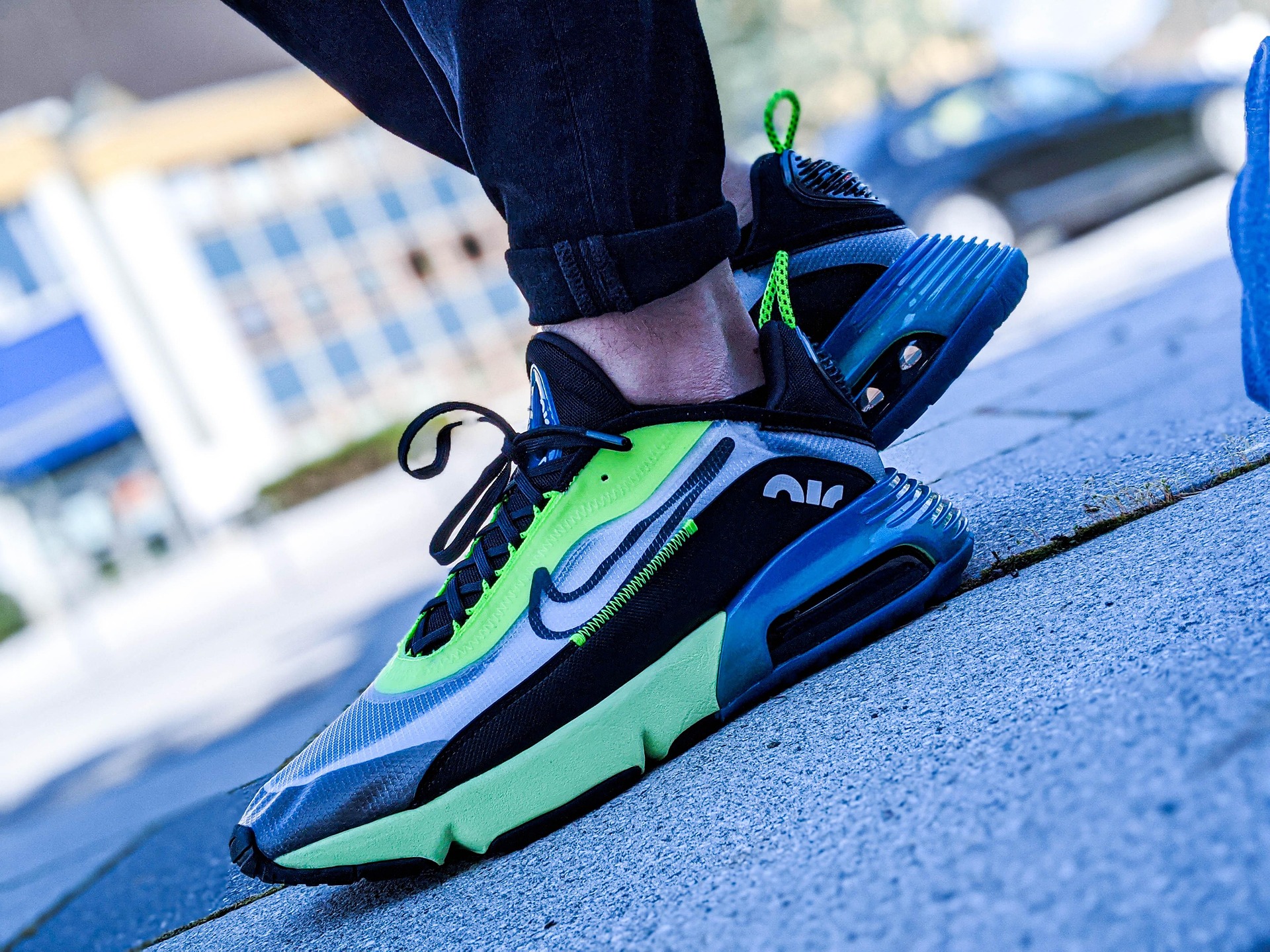
You wake up early, refresh the app, and wait for that moment when the newest pair of sneakers drops. Maybe it’s Jordans. Maybe it’s some collab that everyone’s been buzzing about. Either way, they sell out in minutes. Bots grab most of them. You’re left staring at the “sold out” screen. What just happened?
You just witnessed capitalism in action, and more specifically, how supply and demand create value. And while it might be frustrating in the moment, it’s actually a perfect example of how the economy works and why understanding it can give you a huge edge with money.
Let’s start with the basics. Those sneakers are in limited supply. Not everyone who wants them will get a pair. The company did that on purpose. Why? Because when something is hard to get, it instantly feels more valuable. People want what they can’t easily have. That demand drives the hype. And that hype drives sales.
But it doesn’t stop there. Once the shoes are sold out, they start popping up on resale sites at double or triple the original price. This is where capitalism really kicks in. Someone bought a product at one price, realized there was more demand than supply, and turned that into a profit. That’s entrepreneurship, plain and simple. It’s risky, sure, but when it works, it works big.
And none of this is random. Sneaker companies understand the game. They control supply on purpose. They create buzz. They drop limited quantities. They collaborate with influencers and artists. It’s all part of a business strategy that works within a capitalist system, one that rewards scarcity, innovation, and demand.
Now think about this from both sides. As a consumer, you’re deciding if the hype is worth your money. Do you actually love the shoe, or are you just reacting to the pressure of missing out? Do you want to spend $250 on resale, or are you better off waiting for something else? Capitalism gives you the freedom to choose, but it also puts a lot of temptation in front of you.
As a producer, this system creates opportunity. Maybe you don’t design sneakers, but you do resell them. Or maybe you make content about them, run a sneaker news account, or help people legit check fakes. Those are real business ideas that grow because demand exists. The key is paying attention to what people want, when they want it, and how much they’ll pay for it. That’s supply and demand in real time.
It also teaches a bigger money lesson: hype fades, but value sticks. Some people buy sneakers just to flex. Others buy them because they’re rare, meaningful, or part of a collection. The market reflects both types of buyers, and prices rise and fall depending on what people care about. If you want to build good money habits, it helps to step back and think about what things are really worth to you, not just what they’re priced at.
Sneaker drops are fun, and the culture around them is huge. But the deeper story is how businesses use capitalism to create value, and how you, as a teen, can learn from that to make smarter choices. Whether you’re buying, selling, or just observing, you’re part of the system. And the more you understand it, the more confident you’ll be with your money.
Cheers,
Gavin @ Alpha Kids Finance