Beautiful Plants For Your Interior
Beautiful Plants For Your Interior

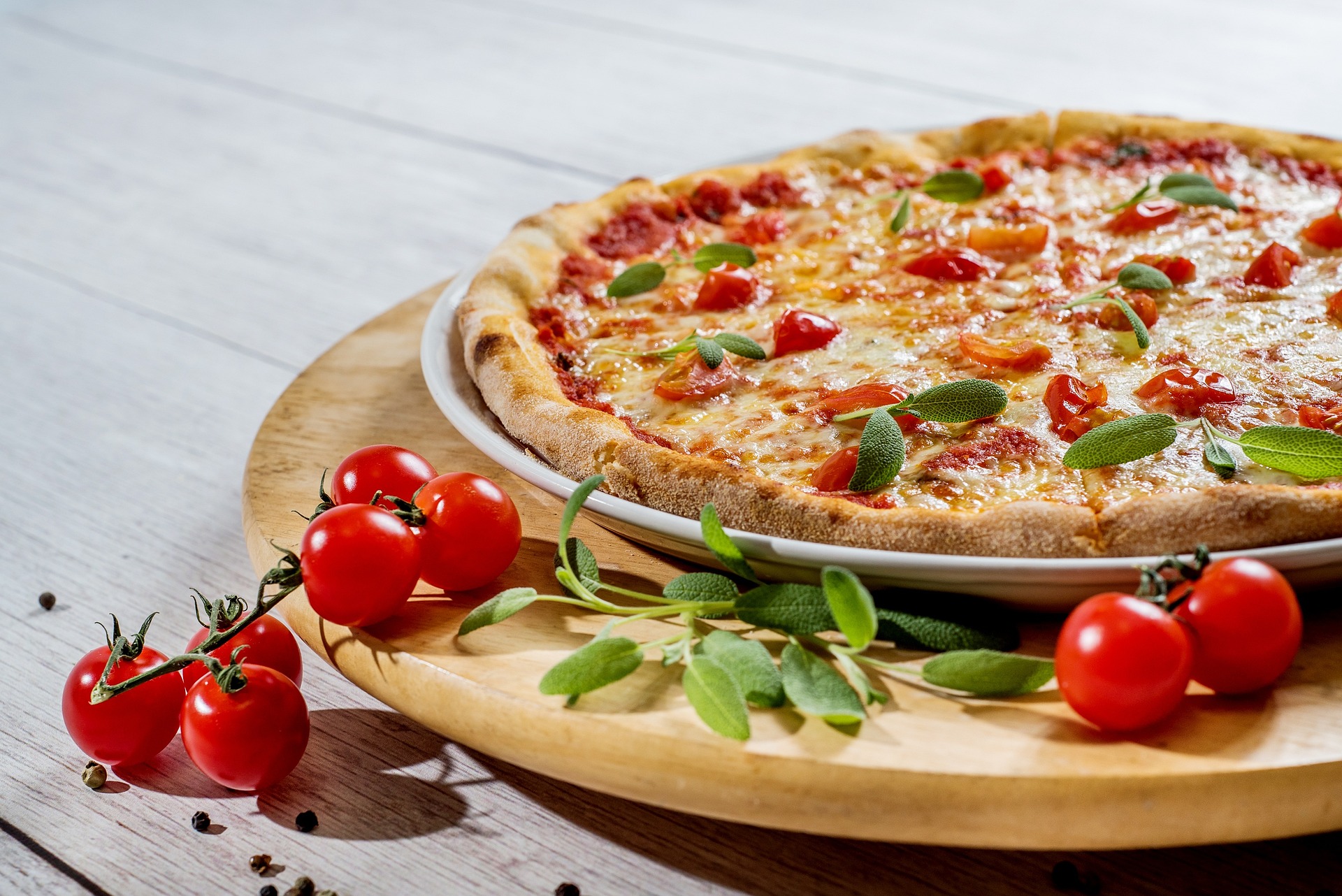
You walk into your go-to pizza place. The one that’s always packed after football games or where your friends meet up on Friday nights. You order a slice or maybe split a whole pie with a couple of people, and for a few bucks, you’re fed, happy, and out the door. But have you ever stopped to think about the money side of that pizza place?
That small local business is actually a perfect real-world example of basic economics at work. Behind the ovens, the sauce, and the mozzarella is a money puzzle they have to solve every day. And understanding that puzzle helps you think smarter about your own money, too.
Let’s start with how that pizza shop makes money. They’re a business, so their goal is to make more money than they spend. That means every slice they sell has to cover all their costs and still leave something left over as profit. But what costs are we talking about?
There are two main types: fixed costs and variable costs. Fixed costs are the stuff they pay no matter how much pizza they sell. That includes rent for the space, insurance, and equipment like ovens or refrigerators. These don’t change whether they sell 10 pizzas or 100.
Then there are variable costs. These change depending on how many pizzas they make. Things like flour, cheese, toppings, pizza boxes, and even hourly wages for workers if they’re scheduled based on how busy it gets. So, if more customers come in, those variable costs go up, but so does income from sales.
Now here’s the key part: they need to sell enough pizza to cover all those costs and still make money. That’s where pricing comes in. If they charge too little, they won’t earn enough to pay their bills. But if they charge too much, people might just go to the cheaper spot down the street. They have to find that sweet spot where the price is high enough to be profitable but low enough to keep customers coming back.
That’s called supply and demand. The pizza place supplies the pizza, and customers like you bring the demand. If demand is high, like after a big event or during the weekend rush, they can get away with slightly higher prices or limited-time deals. If business is slow, they might run specials to get more people in the door. Every day, they’re adjusting how they buy, sell, and serve based on what people want.
But it’s not just about selling food. A pizza shop is also competing for attention. There are other places to eat. Other things you could spend your money on. That means the experience matters. Friendly service, a clean space, good music, a cool vibe, or a rewards card that gives you a free slice after 10 visits, all of that keeps you coming back. That loyalty is part of their business model, and they know it.
Even timing matters. Most pizza shops don’t make the same amount of money every day. There are peak times, Friday nights, game days, lunch rushes. And then there are slow times. Their whole schedule and staffing is built around those patterns. If they can’t sell enough pizza during the busy times to carry them through the slow ones, they’re in trouble.
There’s also a lesson here about choices. That pizza place has to decide how to spend its money just like you do. Maybe they’re thinking about buying a new oven. That’s a big investment. Will it help them serve more customers faster? Will it lower their electricity bill over time? If yes, it might be worth it. If not, maybe they hold off. Every dollar has to count. Same goes for hiring staff, testing new menu items, or deciding whether to open a second location someday.
What’s cool is that all of these decisions are things you’ll face too, just in different ways. You’ll have fixed costs, like your phone bill or car insurance. You’ll have variable costs, like gas or food. You’ll make spending choices based on value, timing, and priorities. And whether you’re running a business or just managing your own money, the same rules apply: know what’s coming in, know what’s going out, and make sure your income covers your lifestyle.
Next time you’re grabbing a slice, take a look around. That place isn’t just feeding people. It’s a working mini-economy. It’s someone’s job, someone’s risk, someone’s dream. And it’s proof that money isn’t just something you read about in a textbook. It’s everywhere, including right there in your favorite booth, with extra pepperoni.
– Gavin at Alpha Kids Finance